
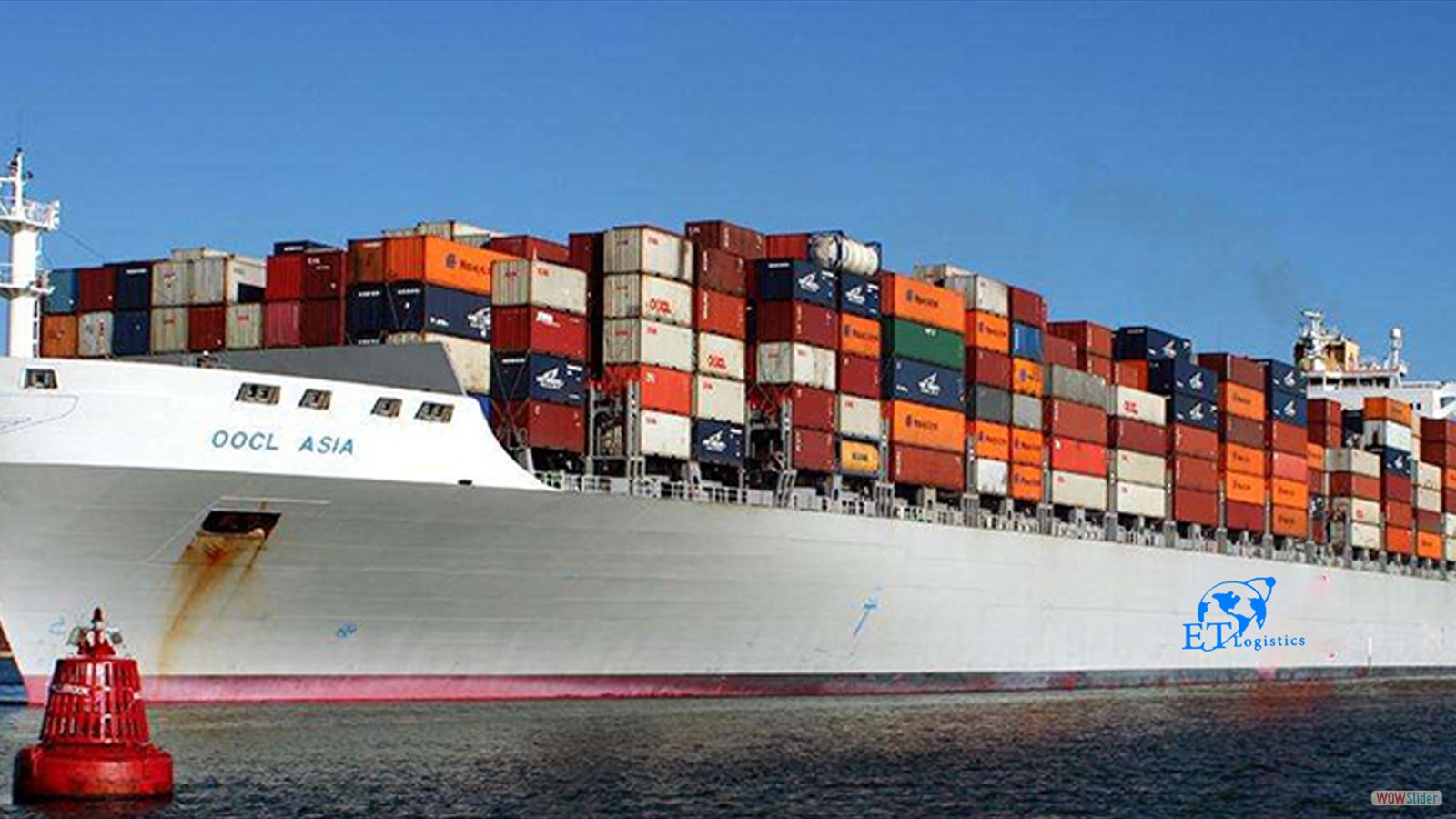
 The probability of sustaining a loss on goods in transit is greater than customers
may think. For example, on average, a ship sinks every day.
Read More
Trusted Services
We are trusted our customersBranches
02-240-26938 - 062-319-5594Well Experienced
14 years of experienceOur Services
We provide the best services

Air Shipping
We have a wide air shipping for all parts over the whole world for general goods. Also we have the advantage of clearance on the import and export goods door-todoor

Sea Shipping
We are one of the fastest growing freight forwarding campanies in egypt for sea shipping such that we have vesseles general cargo for the red sea ports jada – sudan – el aqaba - artaria

Land Shipping
We have got the fastest international in and out transportation because we are a member of EIFFA, FIATA & IATA association and ours vast experience in transportation area and clearance in different land ports (ex: El Saloom- Safaga- Nowebaa...etc.)
Recent Services
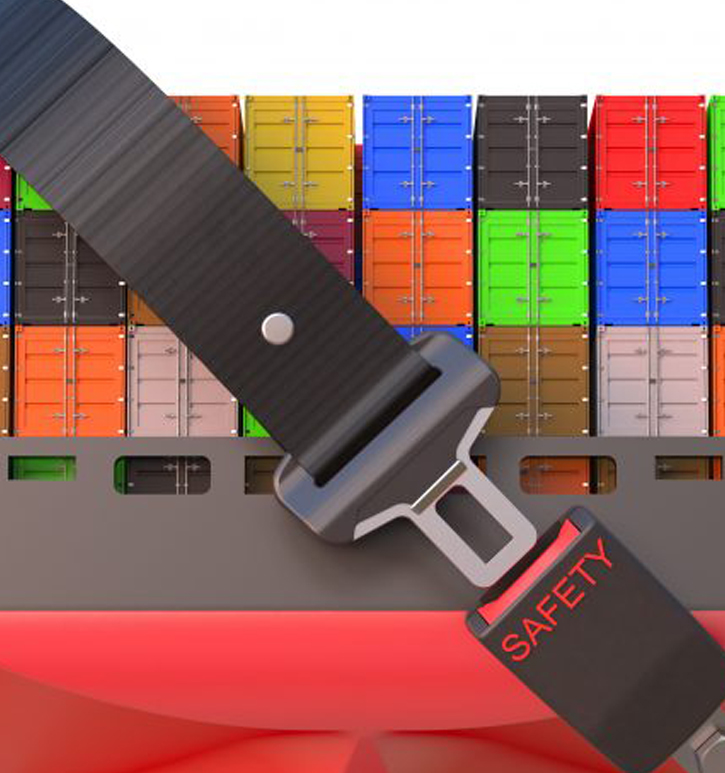
Cargo Insurance
The probability of sustaining a loss on goods in transit is greater than customers may think. For example, on average. A ship sinks every day.

Warehousing
Your cost would be only for the time and space your cargo occupies. CIS provides customers with the Distribution Service./p>
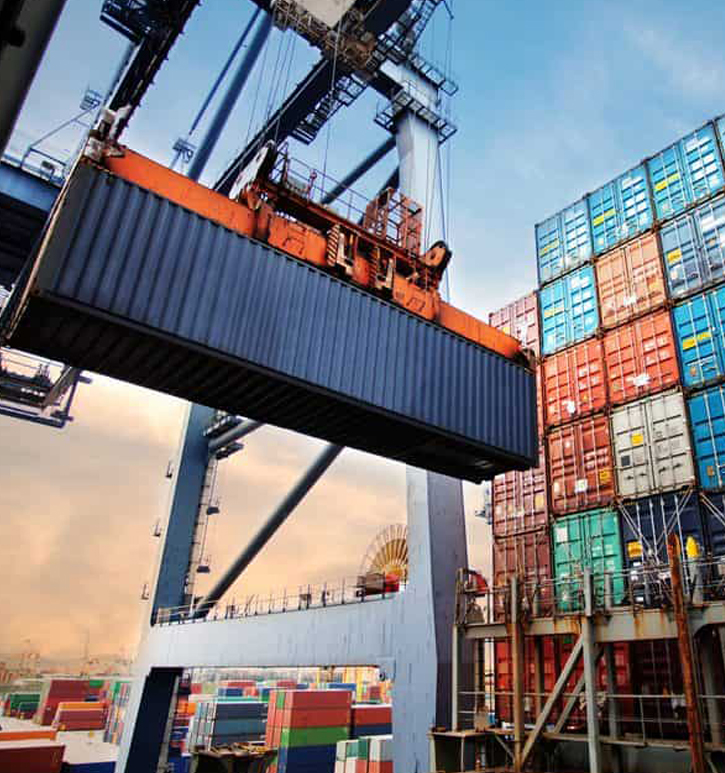
Cargo Management
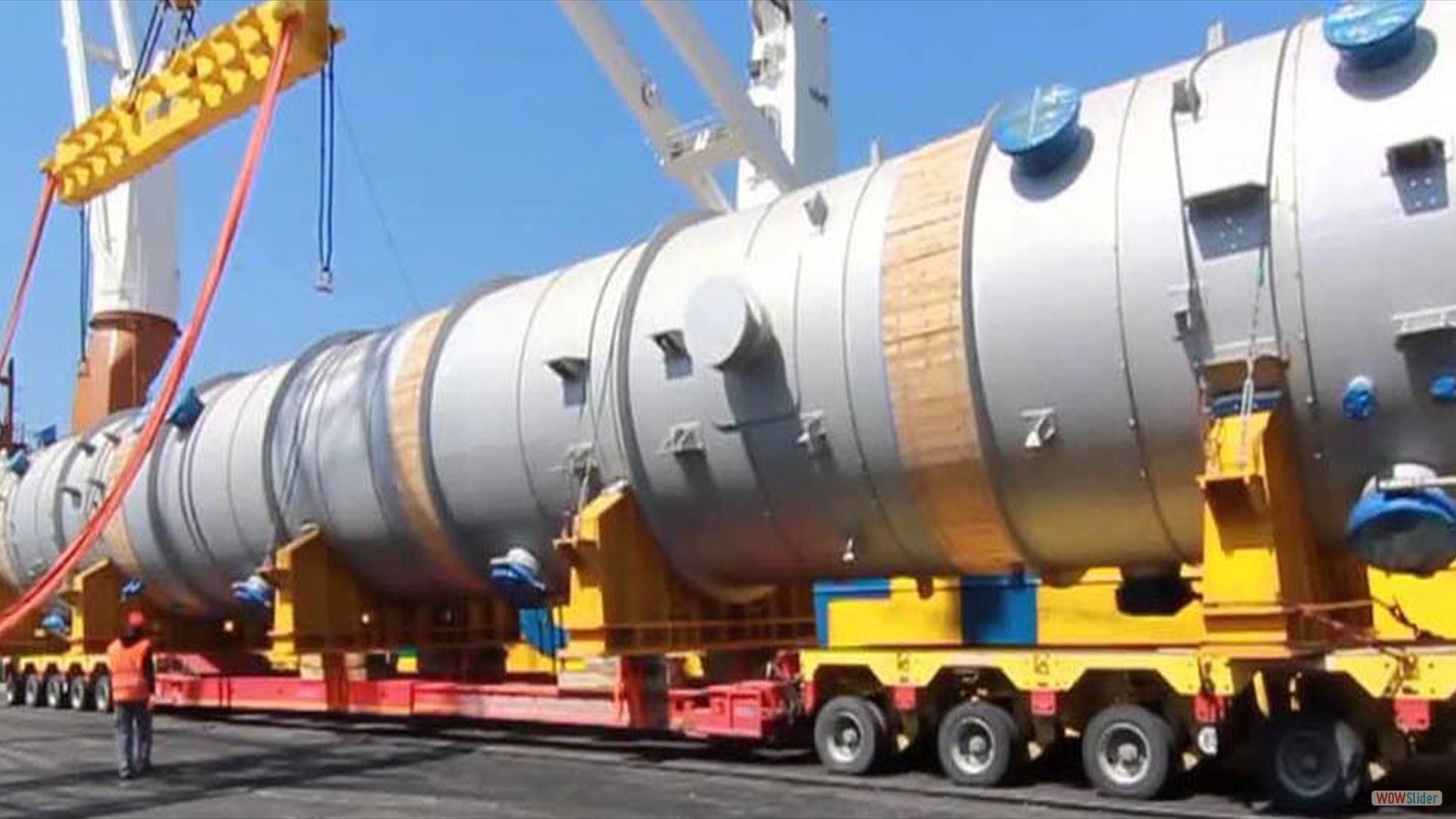
Whether you’re moving a needle or Eiffel tower, ETlogistics always has the easiest, most reliable and most efficient way to move it.

Customs Brokerage
Whether you’re shipping in or out of the country, our experience and technology will get your shipments cleared.
ABOUT US
In the year 2007, Mr. Ezzat Morsy established ET Logistics, as the shipping company for EL-Ezza Import, Export & Customs Clearance Company.
Our dream is to get an office in the important business cities in the world, and as we believe in making our dreams comes true.
CONTACT US
Address
49 Anwar EL-Mofty St, Nasr City, Cairo, Egypt
Tel. & Fax
+2-02-240-26938 +2-02-240-12641
+2-02-226-16795 +2-01210008668
OUR SERVICES
Air Freight
Sea Freight
Land Transport
Cargo Insurance
Warehousing
Cargo Management
Customs Brokerage